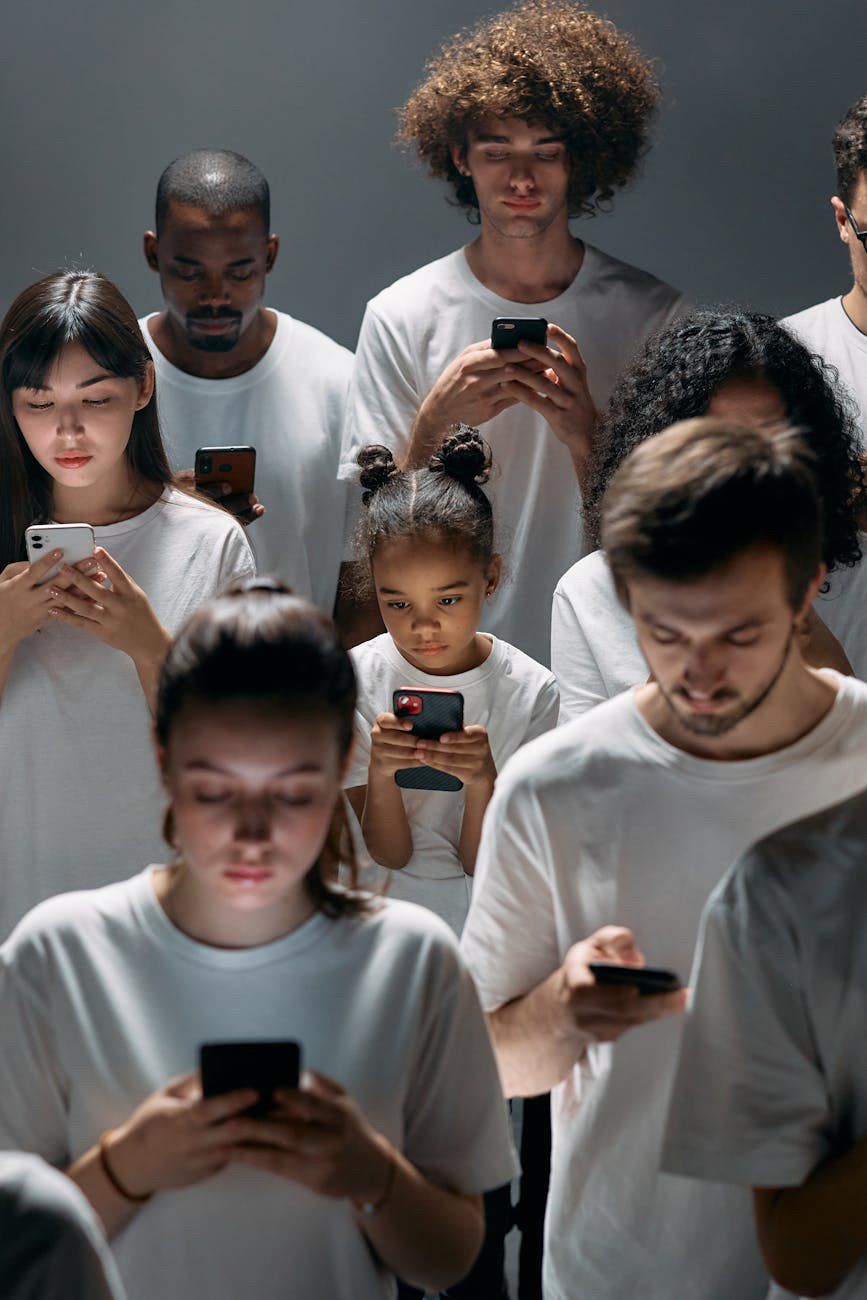
What technology would you be better off without, why?
This article is part 2 of my series: “Sacred Living in a Distracted Age,” a journey back to presence, barakah, and God in a world that constantly pulls us away.
I’m very surprised with the prompt for today’s blog post. Coincidently, I wrote about the things that are impacting our wellbeing from our modern world. And being in Tarim the struggles we face in the west becomes even more apparent as you realise there are many unnecessary things we carry in our day that cause chronic stress and diseases.
This prompt is very timely and although I’ve decided to schedule the post I’ve written to come out at a later date. I’ve decided to post it today so it can serve as an introduction to this series called: ‘Sacred Living in a Distracted Age’. I’ve also numbered them to make it easier to find.
Back to the Question…
This question sits very close to my heart. Yes, technology has brought countless conveniences into our lives. It has connected us to loved ones across the world in seconds, made knowledge accessible, and simplified daily tasks. But despite these blessings, I often find myself worrying about the long-term effects of technology especially on the developing minds of our children.
If I had to choose one piece of technology I’d be better off without, it would undoubtedly be the smartphone.
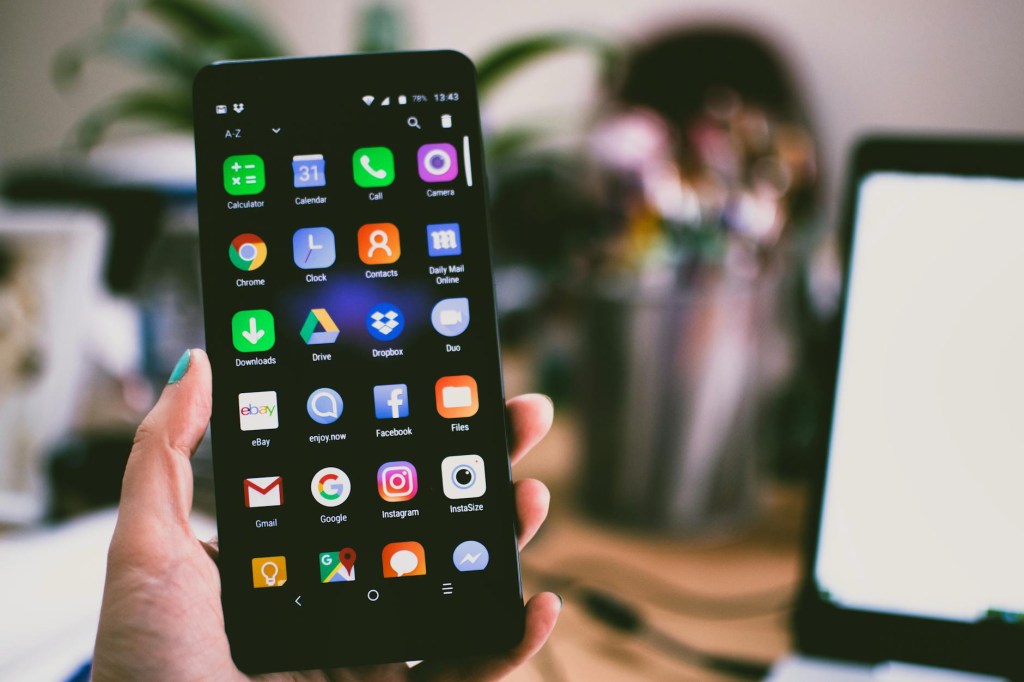
There was a time when life flowed beautifully without it. People weren’t reachable every second of the day, yet they communicated, organised, remembered, built meaningful relationships, learned, travelled, and thrived. In fact, many of them functioned better because their attention wasn’t constantly fragmented. They lived life with presence which is something our generation struggles desperately to grasp.
Today, we live in a world where almost everything revolves around the phone. Many young people cannot imagine life without it. And the truth is, neither could I for a long time. My phone crept into every corner of my life though not from addiction alone, but out of convenience, responsibility, and the demands of modern living.
I’ve tried many times to detach. I even bought the book How to Break Up With Your Phone (by Catherine Price), which helped me see just how intentionally these devices are designed to keep us hooked. I’ve deleted apps, taken breaks, and attempted digital detoxes. But as someone building a business, the idea of abandoning the phone completely felt impossible. Even after minimising my use, it still plays a central role in my day.
And here’s the challenge: so many of the things I use my phone for are meaningful and rooted in my passion and spirituality.
I use it for my morning and evening adhkār.
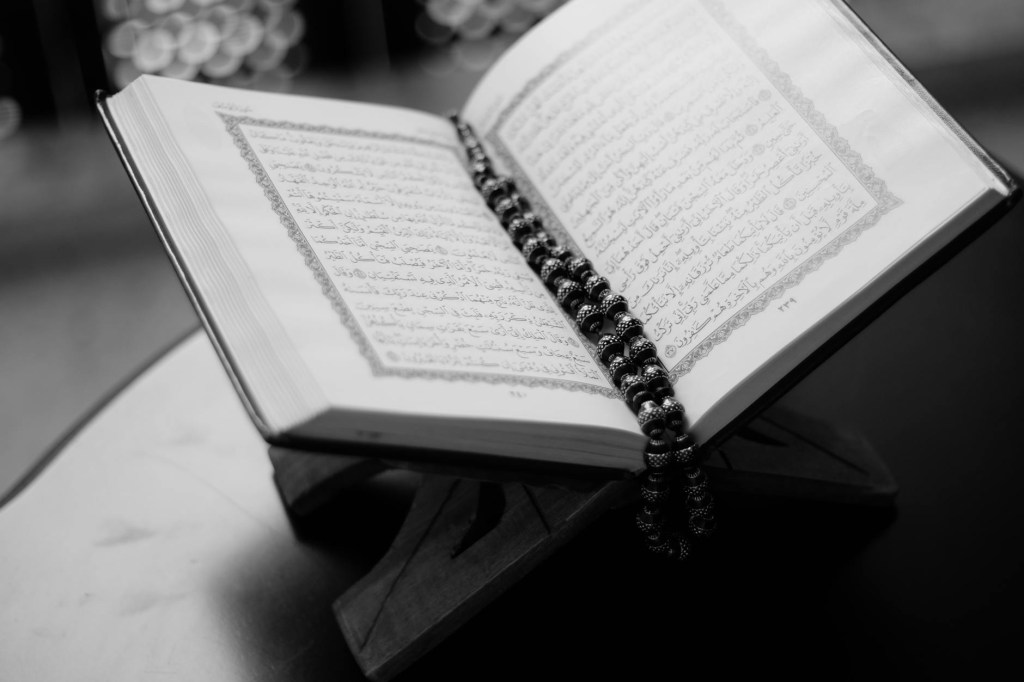
I recite Qur’an from it.
I write my reflections and blog posts on it.
I stay connected to family.
I manage appointments, budgeting, and daily reminders through it.
I’ve tried using my khulāsa book for adhkār and a physical Qur’an which feels far more wholesome but with a baby on my hip and other children around me, the practicality of the phone often wins. It allows me to complete my daily awrad consistently, even when life becomes unpredictable.
When I am in the UK, my phone becomes even more essential. There is no beautiful, echoing adhān like the one we are blessed to hear in Tarim, so my phone reminds me of the prayer times. It navigates me through unfamiliar routes. It tells me when the next bus arrives.
It even pays for the bus when I don’t have my bank card with me.
Slowly, almost silently the smartphone became the one-stop hub for everything.
And as much as these conveniences help me as a busy mum, especially in maintaining my spiritual routines, part of me aches for a different life. A slower life. A life where I connect with nature, with people, with my teachers; not through screens, but through presence. A life where learning the deen comes directly from the hearts of scholars, not streamed through a device ( we are spoilt for choice here in Tarim Alhamdulilah). A life where I return to a simple flip phone and embrace the dignity and peace of being “old school.”
But I am also realistic.
In this season of my life, this is mostly wishful thinking. Even in Tarim; the blessed city of illuminated hearts everyone, including the most spiritually awake teachers, uses a smartphone. Not out of desire, but out of necessity: class timings, updates, cancellations, gatherings, and community news all flow through WhatsApp groups. But these people have mastered their lower self and therefore are using these devices for the benefit of the ummah.
So the struggle is not about removing the phone altogether. The struggle and the real test lies in learning to discipline myself and minimise my use.
Using it only for what matters.
Not letting it accompany me like a shadow.
Not allowing it to pull me away from my children, from my presence, from my inner stillness.
Not passing down habits that I know will harm their developing minds.
This is an ongoing battle; a jihad of the nafs and I pray to emerge victorious with the help of Allah and all those in my category. I pray that He allows me to use this technology only for good: for knowledge, for dhikr, for connection, for serving the Ummah. And I ask Allah’s forgiveness for every moment it has taken me away from Him.
This is Part 2 of my series: ‘Sacred Living in a Distracted Age’ – this topic is deeply important to me, and I have been researching the dark side of technology for years especially its impact on children’s cognitive development, attention span, behaviour, and emotional regulation. There is so much to share, and I hope to explore these findings in upcoming posts, in sha Allāh. Come along so we can reclaim a healthier, more soulful way of living together whilst still benefiting from technology and it’s great uses.
Until next time…
Peace be with you.


Leave a comment